Concrete cutting
When damaged slab sections need to be removed cleanly before repair or replacement, precision concrete cutting is the first step.
Learn More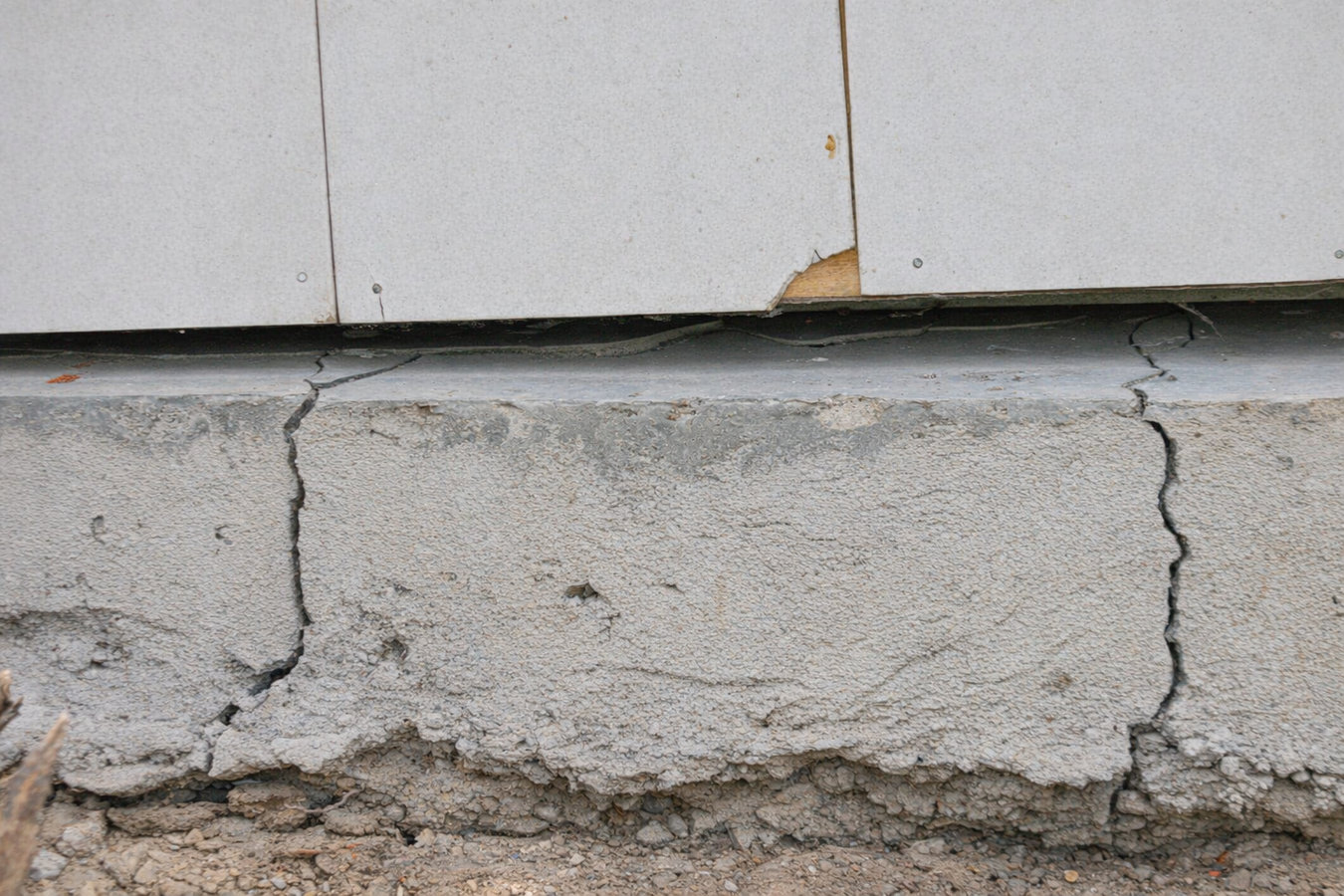
Redlands clay soils settle and shift with every rainy season. We lift sunken foundations back to level using the right method for your slab, handle the City of Redlands permit process, and address the drainage issues that caused the problem in the first place.
Foundation raising in Redlands, CA restores a sunken or uneven concrete slab to its original level position by pumping a lifting material beneath the slab to fill voids and push the concrete up. Most residential jobs are completed in a single day, and you can walk on the repaired surface the same afternoon.
Redlands homeowners deal with settling foundations more often than people in many other parts of the country. The Inland Empire sits on expansive clay soils that swell with every rainy season and shrink back through the long dry summers - and that repeated movement is what gradually pushes slabs out of position. Add in the seismic activity from the San Andreas and San Jacinto fault systems nearby, and you have a region where foundation maintenance is simply part of owning a home. A sloped floor, a sticking door, or a gap forming at the top of a door frame are the usual first signs.
Foundation raising is often the right first step - but in some cases, a more comprehensive approach involving new slab foundation building or concrete cutting to remove damaged sections is the better long-term solution. We tell you honestly which situation you are in.
Walk slowly through your home in socks and pay attention to whether the floor feels level. A noticeable slope - especially in older homes near Redlands' historic district - often means the slab beneath has dropped in one area. You can also set a marble on the floor; if it rolls consistently in one direction, that is worth noting. The slope tends to worsen gradually rather than appearing all at once.
When a foundation shifts, the door frames and window frames shift with it, causing doors to drag along the floor or windows to jam in their tracks. This is one of the earliest and most noticeable signs that something has moved beneath your home. If you notice this happening in multiple rooms rather than just one, it is a stronger signal that the slab - not just the door hardware - has moved.
Diagonal cracks running from the corners of door frames or windows are a classic sign of foundation movement. In Redlands, these often appear after a wet winter, when the clay soils have swollen and then dried out again. A crack that reappears after you patch it is a stronger signal than one that stays put - it means the movement causing it has not stopped.
As a foundation settles unevenly, the structure above it shifts too, sometimes pulling walls slightly away from where they meet the ceiling or floor. These gaps are easy to spot and are a reliable sign that the foundation has moved. They tend to be more pronounced on one side of the home than the other, which tells a contractor where the settling is concentrated.
We offer two main lifting methods - mudjacking and polyurethane foam injection - and we choose based on your slab conditions, soil type, and budget rather than defaulting to one approach. Mudjacking uses a cement-and-soil slurry pumped under the slab and has a long track record at a lower upfront cost. Polyurethane foam is lighter, cures in about 15 minutes, and is less likely to add weight that could cause future settling in Redlands' clay-heavy soil. Every project starts with a free on-site assessment where we look at the slope, check for cracks, and evaluate the drainage around your home before quoting anything.
What separates a lasting repair from one that fails in a year or two is addressing what caused the settling in the first place. We diagnose the root cause - whether that is poor drainage, soil that was never properly compacted, or a combination of both - and explain it to you in plain language before work begins. We also handle the City of Redlands permit process for structural foundation work, which protects you if you ever sell your home or file an insurance claim. For homes where lifting is not the right answer, we can refer you to our slab foundation building team or coordinate concrete cutting to remove damaged sections as part of the same scope.
Best for homeowners wanting a proven, cost-effective solution for larger settled slabs - driveways, patios, garage floors, and sidewalks.
Best for homeowners prioritizing fast curing, lightweight material, and long-term durability in high-clay-content Inland Empire soils.
For homeowners whose settling is driven by water pooling near the foundation - addressing drainage is what makes any lifting repair last.
Redlands experiences a semi-arid climate with long dry spells and then concentrated rainfall, typically between November and March. That wet-dry cycle causes the clay soils throughout the Inland Empire to repeatedly expand and contract - and that movement is the single biggest reason foundations settle here. Timing your repair for late spring or early fall - after the wet season but before the heat peaks - gives the soil its most stable conditions for a lasting result. Homeowners in Yucaipa and Highland face the same soil conditions and see similar settling patterns.
Redlands also has a large stock of older homes - many built between the 1920s and 1960s in neighborhoods near the historic district and along older residential streets. Foundations in these homes were built to standards that predate today's seismic and soil requirements, and decades of wet-dry cycles have had time to do their work. Additionally, Redlands sits near the San Andreas and San Jacinto fault systems, which means ongoing ground movement is part of the picture. A good foundation repair here is planned with that seismic and soil context in mind, not just the visible settling you can see today. The California Geological Survey maintains detailed data on expansive soils throughout the Inland Empire that guides how we plan repairs.
We will ask a few basic questions - how old your home is, what symptoms you have noticed, and whether you have had prior foundation work done. You will hear back within one business day to schedule a free on-site assessment.
We walk your property, check the slope of the slab, look for cracks, and assess the drainage around your home. The visit results in a written estimate that explains what we found and what we recommend - not just a number.
If the City of Redlands requires a permit for your project - which it does for most structural foundation work - we submit the application and coordinate the timeline. Most permits are issued within a few days to two weeks.
The crew drills small injection holes, pumps the lifting material, and monitors the slab as it rises back into position. Most jobs are done in a few hours. Injection holes are patched before the crew leaves, and you can walk on the surface the same day.
Free on-site assessment. Written estimate before any work begins. No pressure, no obligation.
(909) 546-5311We assess the cause of your settling before recommending a method. In Redlands, lifting a slab without addressing the drainage or soil problem that caused it often means the slab settles again within a few years. We explain what we find in plain language so you understand what you are paying for and why.
Structural foundation work in Redlands typically requires a building permit, and the permit creates an official record that the work was done correctly. That record matters when you sell your home or file an insurance claim. We manage the application and coordination with the city so you do not have to.
Redlands sits near active fault systems and on expansive clay soils that move with the seasons. We account for both in how we plan and execute repairs. The{' '} California Contractors State License Board maintains the C-8 license standard that governs this work, and all our crews hold current credentials.
Before we drive away, you have a written warranty that covers the repair. We also give you specific drainage recommendations that can extend the life of the repair - because a level slab stays level longer when water is kept away from the foundation perimeter.
Foundation repairs in Redlands are not a one-size-fits-all job - the soil, the age of your home, and the drainage situation around your foundation all shape what the right solution looks like. We have done this work throughout the Inland Empire long enough to know what holds up here and what does not.
When damaged slab sections need to be removed cleanly before repair or replacement, precision concrete cutting is the first step.
Learn MoreFor projects where a settled slab is beyond lifting and a new concrete slab is the right long-term solution.
Learn MoreRedlands clay soils do the most damage during and after wet winters - scheduling a free on-site assessment now means you go into the season with a clear picture of where things stand.