Concrete pool decks
Extend your project with an outdoor concrete surface designed for poolside use and Redlands UV exposure.
Learn More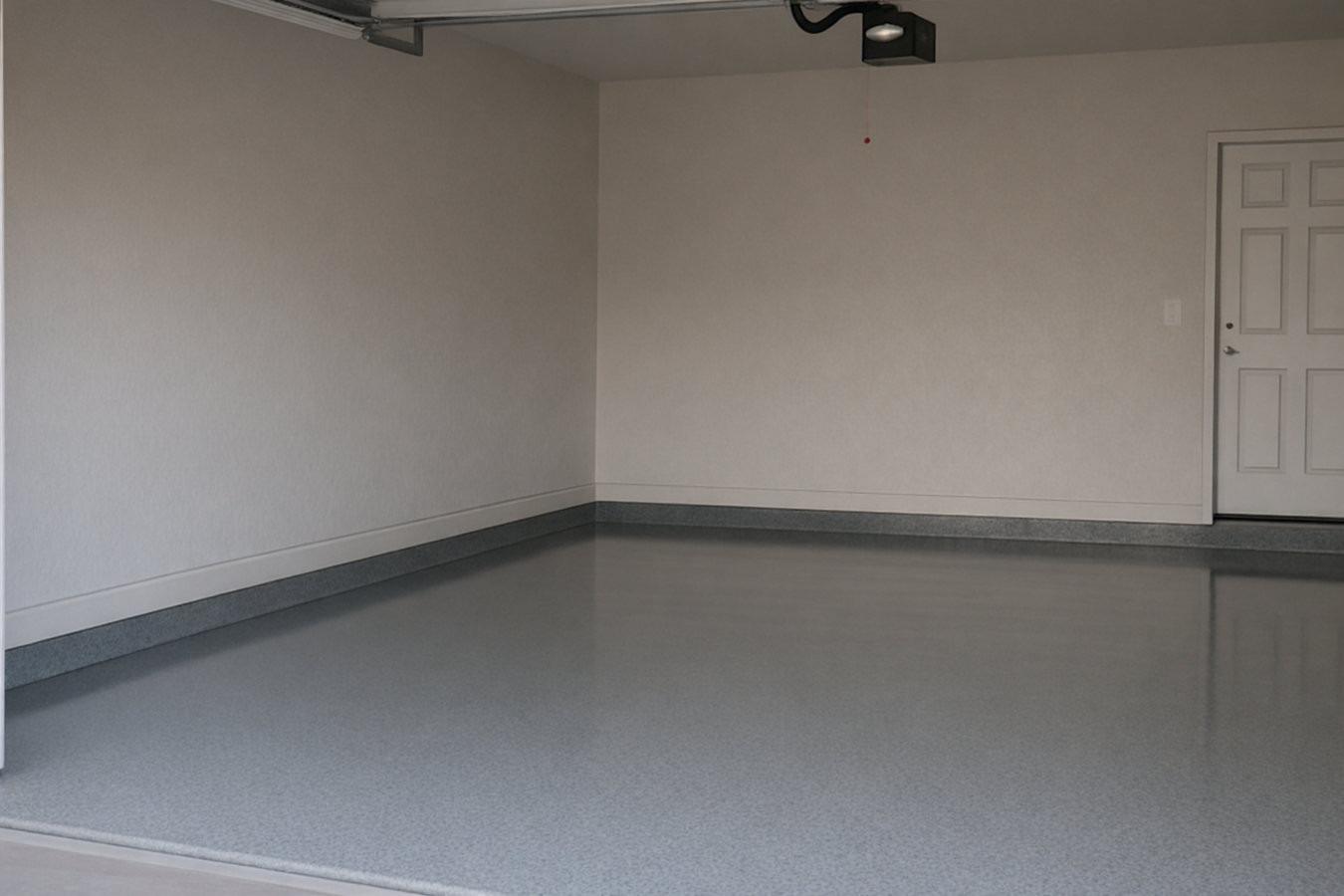
Cracked, uneven, or still the original 1960s slab? We pour concrete floors for garages, basements, and additions in Redlands - with proper base prep for clay soil and full permit compliance.
Concrete floor installation in Redlands, CA starts with removing the old slab or preparing bare ground, compacting the soil, laying a gravel base and moisture barrier, then pouring and finishing the concrete in one continuous session - most standard garage or basement floors take one to three days on-site, with vehicles and heavy loads kept off for at least a week after the pour.
A lot of Redlands homes were built between the 1940s and 1970s, and many still have the original concrete garage floor or basement slab. Floors from that era were often poured thinner than today's standards and may not have had a moisture barrier installed underneath. Once the surface starts cracking, flaking, or letting moisture through, patching buys a little more time - but if the soil beneath is the problem, the cracks will keep coming back.
A new pour with proper ground preparation addresses the real issue and gives you a floor that handles Redlands' clay soil movement without breaking down. If you are also finishing a space and thinking about concrete pool decks or outdoor surfaces at the same time, both projects can often be coordinated together.
If you have patched cracks in your floor before and they have returned - or if you are seeing cracks wider than a pencil - the underlying slab may be failing. In Redlands, this is often caused by clay-heavy soil shifting beneath the floor through years of wet and dry cycles. Patching the surface does not fix a floor that is moving from below.
Walk across your floor slowly and notice whether certain spots feel higher or lower than others. Uneven concrete is a sign the ground beneath has settled or shifted - something that happens more frequently in older Redlands homes built on less-prepared soil. An uneven floor can make it harder to close garage doors and creates tripping hazards.
A chalky white film on your concrete floor is a sign that moisture is moving up through the slab from the ground below. In Redlands, this can happen after periods of heavy rain when the water table rises temporarily. Left unaddressed, ongoing moisture intrusion can damage anything stored on the floor and may indicate the slab needs replacement with a proper moisture barrier underneath.
Concrete floors in Redlands homes built before the 1980s were often poured to thinner standards and without the moisture protection used today. If your floor is pitting, flaking, or has developed a rough, crumbling texture, it has likely reached the end of its useful life. Replacing it now is far less disruptive than waiting until structural issues develop.
We handle full concrete floor pours for garages, basements, additions, and conversions throughout Redlands and the Inland Empire. Every project starts with proper ground preparation - removing the old concrete if needed, compacting the soil, and adding a gravel base layer to cushion the movement from the clay soils that are common in this area. A moisture barrier goes in before the pour on all indoor floors. The concrete is poured to the right thickness for the intended use, and control joints are cut in to guide natural shrinkage along clean lines rather than random cracks.
We offer both functional and decorative finishes. A broom finish is the practical choice for garages and utility spaces - it gives you a slightly textured surface that is safe underfoot when wet. Polished or sealed finishes are popular for conversions and interior living spaces because they are easy to clean and look more refined. For homeowners thinking about a garage floor with a coating or finish upgrade, we handle that scope alongside the base pour.
Removes the old floor, preps the base for local soil conditions, and pours a new slab to current thickness standards.
Includes moisture barrier and gravel base. Suitable for spaces being finished as living areas.
For homeowners converting a garage into living space. Starts with a level, properly prepared slab ready for any finish flooring.
Redlands has a significant number of homes built between the 1940s and 1970s, and many of those properties still have their original concrete floors. Floors from that era were often poured thinner than what is standard today and frequently lack a moisture barrier underneath. The California Geological Survey documents the expansive clay soils throughout this region - soils that swell and shrink seasonally and put consistent stress on slabs poured without adequate base preparation. A floor that was marginal when new is often well past its useful life 50 years later.
Summer temperatures in Redlands regularly exceed 100 degrees, which means concrete poured during the heat of the day dries too fast on the surface - producing a weaker floor that is more likely to crack early. We schedule all pours for early morning during hot months and monitor forecasts carefully to avoid pouring before a rain event. Homeowners in Loma Linda and Colton deal with the same soil and heat conditions, and we serve both areas regularly.
We respond within 1 business day. We will ask about the space - size, current condition, and what you plan to use it for. We do not give firm prices over the phone before we have seen the site.
We measure the area, check the condition of the existing floor or ground, and ask about your plans for the space. You receive a written estimate that breaks down what is included - not just a single total. No obligation to proceed.
For most concrete floor installations in Redlands, we apply for a building permit through the City of Redlands before any work begins. We handle this process entirely - you do not need to visit any city offices. Permit approval typically takes a few days to two weeks.
The crew preps the base, pours the concrete in one continuous session, and finishes the surface. Most floors take one day to pour. You can walk on it after 24 to 48 hours, but vehicles and heavy loads stay off for at least a week. A city inspector signs off at the end of the permit process.
We come to your property, assess the space, and give you a written quote with no pressure to commit.
(909) 546-5311We manage every step of the City of Redlands permit process. You get a fully documented floor that holds up at resale and will not cause problems with lenders or inspectors. If a contractor suggests skipping the permit, walk away.
The clay-heavy soils throughout the Inland Empire are the main reason concrete floors crack in this area. We add a properly compacted gravel base on every project so your floor has a stable foundation that does not move with the seasons.
Pouring concrete during a 100-degree afternoon is a shortcut that produces a weaker floor. We schedule pours for early morning during hot months and monitor weather forecasts before every project - because timing directly affects how long your floor lasts.
We regularly replace original slabs in Redlands homes built in the 1940s through 1970s. Floors from that era are typically too thin and lack moisture barriers. Replacing them properly, the first time, is the most cost-effective long-term choice for most of these properties.
The American Concrete Institute defines the industry standards for proper slab thickness, curing time, and joint placement - and those standards guide how we approach every pour in Redlands. Every contractor we put on your job is working from those same standards, not shortcuts.
Extend your project with an outdoor concrete surface designed for poolside use and Redlands UV exposure.
Learn MoreUpgrade a bare or aging garage slab with coatings, polished finishes, or a full replacement pour.
Learn MoreFall and spring slots book quickly - request your free estimate now and we will lock in your project date before the busy season fills up.