Concrete driveway building
After damaged panels are cut out, a new driveway pour replaces them with a properly prepared base and correctly reinforced concrete.
Learn More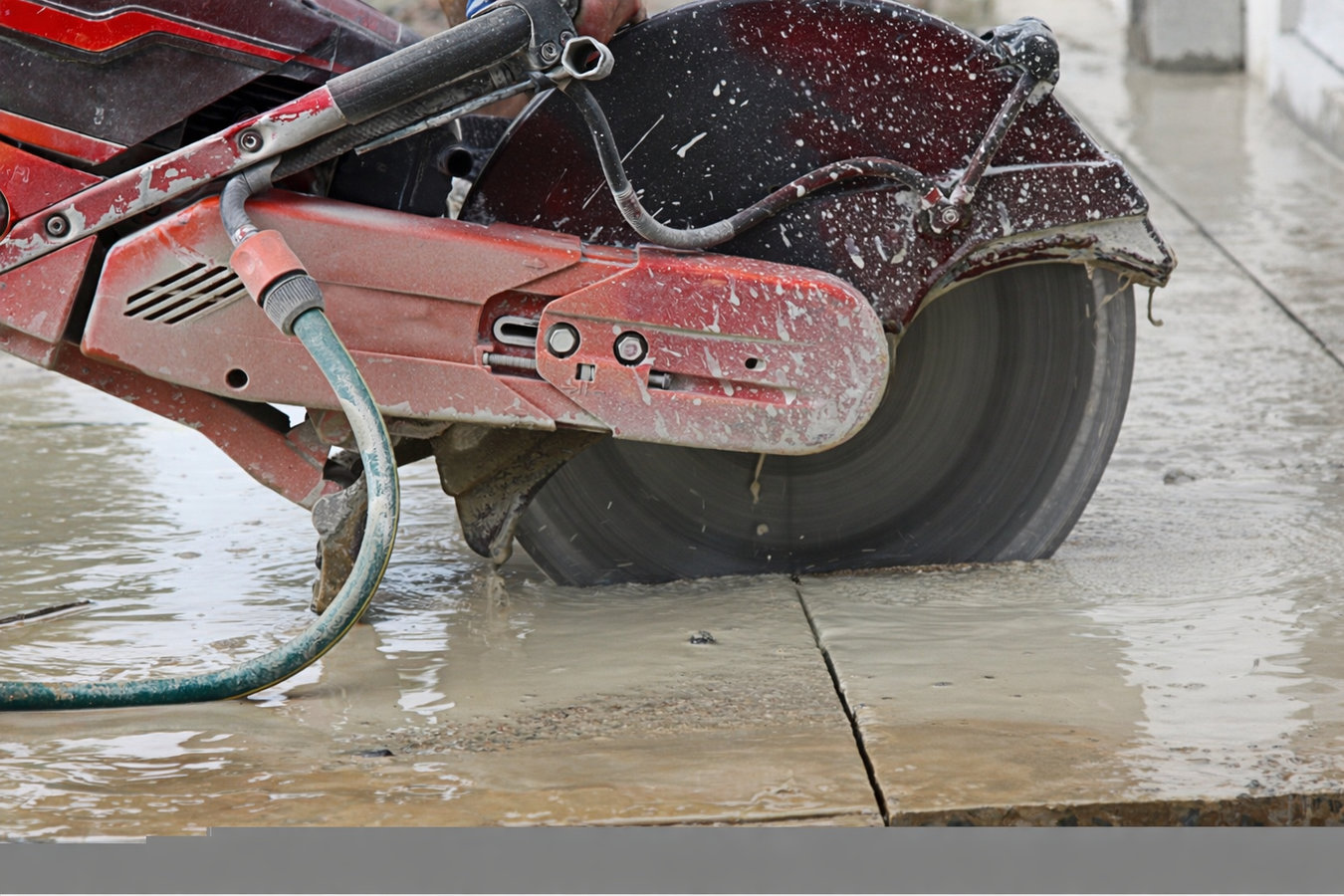
Cracked panels, renovation openings, drainage channels - whatever the reason for the cut, we use diamond-blade wet saws to get it done cleanly. We understand Redlands clay soils, older home construction, and what it takes to leave a cut edge ready for the next phase of your project.
Concrete cutting in Redlands, CA uses diamond-blade saws to slice cleanly through hardened concrete - for driveway panel removal, expansion joints, wall openings, or foundation modifications - and most residential jobs are completed in a few hours from setup to cleanup, leaving a straight, clean edge ready for the next phase of your project.
Redlands homeowners call for concrete cutting for a few common reasons. A cracked or shifted driveway panel - often caused by the clay soil expanding and contracting through repeated wet and dry seasons - needs to be cut out before it can be replaced properly. A renovation project needs a new doorway or utility opening through a concrete wall. Or standing water near the foundation after rain needs a drainage channel cut into the flatwork. Whatever the reason, the right tool is a diamond-blade wet saw that produces a clean seam rather than the jagged edge a jackhammer leaves behind.
Concrete cutting is often the first step in a larger repair that includes a full concrete driveway building project, or it is part of preparing a site for a new concrete parking lot. We can scope and coordinate both phases together.
If one section of your concrete has shifted up or down relative to the panels next to it, that panel likely needs to be cut out and replaced. In Redlands, this is often caused by the expansive clay soil underneath swelling and shrinking with the seasons. A tripping hazard like this will only get worse over time, and cutting out the damaged section is the first step to fixing it properly.
Cracks that run more than a foot or two across a driveway, patio, or garage floor are a sign that the concrete has moved beyond what a simple filler can fix. In older Redlands homes, these cracks often trace back to soil movement or the original pour settling unevenly over decades. Cutting out the cracked section and replacing it gives you a clean, stable surface rather than a patch that keeps moving.
If your renovation plans call for a new opening in a concrete block wall or foundation - whether for a door, a window, a dryer vent, or a plumbing line - concrete cutting is how that opening gets made cleanly. Trying to knock through concrete without a saw creates rough, unstable edges that make framing and finishing much harder and can crack the surrounding concrete.
Redlands gets most of its rain between November and March, and if water is sitting against your foundation rather than draining away, it is soaking into the clay soil and accelerating the expand-and-contract cycle. Sometimes the fix involves cutting a drainage channel in the concrete flatwork around your home to redirect water. If you notice standing water near your foundation after a rainstorm, it is worth investigating before another wet season arrives.
We use diamond-blade flat saws for slab and driveway work and cut-off saws for wall and foundation openings. All cutting is done wet - water cools the blade and suppresses the fine silica dust that concrete cutting produces, in line with OSHA silica safety standards. Every job starts with a site visit to check the concrete thickness, look for signs of reinforcement, and assess access for our equipment. That assessment drives the quote - not a guess over the phone. For structural cuts that require a City of Redlands permit, we handle the application and let you know the timeline upfront.
Older Redlands homes - many built in the 1940s through 1970s - often have concrete that is more brittle than modern pours and has been moving with the soil for decades. We adjust our technique for older slabs to avoid unintended cracking in the surrounding concrete. After the cut, we remove the cut-out sections, clean up the wet slurry before it dries in the Redlands heat, and leave the area ready for the next phase - whether that is a new concrete pour, a framing crew, or a drainage installation. We also coordinate with our concrete driveway building and concrete parking lot building teams to handle cutting and replacement as a single scoped job when that makes sense.
For homeowners with cracked, heaved, or settled driveway, patio, or garage floor sections that need to be removed and replaced cleanly.
For renovation projects requiring a new doorway, window, utility penetration, or other opening through a concrete block wall or foundation wall.
For homeowners adding expansion joints to prevent future cracking or cutting drainage channels to redirect water away from the foundation.
The Inland Empire's expansive clay soils mean that concrete in Redlands has typically been through years of seasonal movement before it ever gets cut. Older slabs that have shifted slightly due to soil contraction can bind a blade or cause unexpected crack propagation during the cut. A contractor who works regularly in this area checks slab condition before committing to a fixed price and plans the cut depth and speed accordingly. Summer heat also affects the work: Redlands regularly exceeds 100 degrees from June through September, which means the wet slurry from cutting dries very fast on the surface, and a professional crew stays on top of cleanup during the job rather than leaving residue that bakes onto the concrete. Homeowners in Loma Linda and Colton see the same soil and heat conditions that shape how this work is planned.
Redlands also has a significant stock of homes built before modern reinforcement standards were common. Concrete from that era is often unreinforced or lightly reinforced, which can make it more brittle and more prone to unintended cracking during a cut. Knowing whether a slab has rebar before the saw starts matters - and a contractor who asks about the age of your home and checks for reinforcement before pricing the job is giving you a real number, not a guess. The Concrete Sawing and Drilling Association publishes the technique and safety standards that guide professional concrete cutting work in the U.S.
We ask about what needs to be cut, roughly how long or large the area is, and whether the home is older - since that affects our approach. You will hear back within one business day, and we will give you a ballpark range while scheduling a site visit.
We check the concrete thickness, look for reinforcement, and assess access for our equipment. This visit is your chance to confirm exactly what is being cut and what happens to the debris. For jobs with no new pour planned, permits are usually not required - we confirm this during the visit.
For structural cuts - such as opening a foundation wall - we let you know upfront that a City of Redlands permit is needed and handle the application. For routine slab and driveway work, permits are generally not required, but we verify before starting.
The crew sets up, connects the water supply, and cuts along the marked lines. Most residential jobs are done in a few hours. Slurry is cleaned up before leaving - especially important in Redlands summer heat, when it dries fast. We stay until you have inspected the work and confirmed the cuts are correct.
Free site visit and written estimate before any work begins. No pressure, no obligation.
(909) 546-5311We do not price concrete cutting over the phone without seeing the slab. The thickness of the concrete, whether it has rebar, and how accessible the area is all affect the final cost. A contractor who visits your property first gives you a real number - not a low quote that changes when the crew shows up.
All our concrete cutting uses water-cooled diamond blades that suppress fine silica dust in line with federal occupational safety requirements. This protects your family and our crew, and it is a sign that we operate to a professional standard rather than the minimum required.
Concrete from the 1940s through 1970s behaves differently than modern pours - it can be more brittle, and cuts need to be made with that in mind. We adjust blade depth and speed for older slabs to avoid cracking the concrete around the cut, which is a real risk on older Inland Empire properties.
If your job requires a City of Redlands permit - such as opening a foundation wall or modifying a structural element - we handle the application and keep you informed of the timeline. You do not have to navigate the building department on your own.
Concrete cutting is often a supporting trade that keeps a larger project on schedule - when it is done right the first time, everything that follows runs smoother. We have done this work throughout Redlands and the Inland Empire long enough to know the local soil, the older home construction, and what it takes to leave a cut that the next phase of your project can build on.
After damaged panels are cut out, a new driveway pour replaces them with a properly prepared base and correctly reinforced concrete.
Learn MoreFor commercial or larger residential projects where cutting out deteriorated sections is the first step toward a full lot replacement.
Learn MoreCracked panels and renovation openings do not fix themselves - and in Redlands, the clay soil will keep moving the surrounding concrete until the damaged section is removed. Call today to schedule a no-obligation site visit.