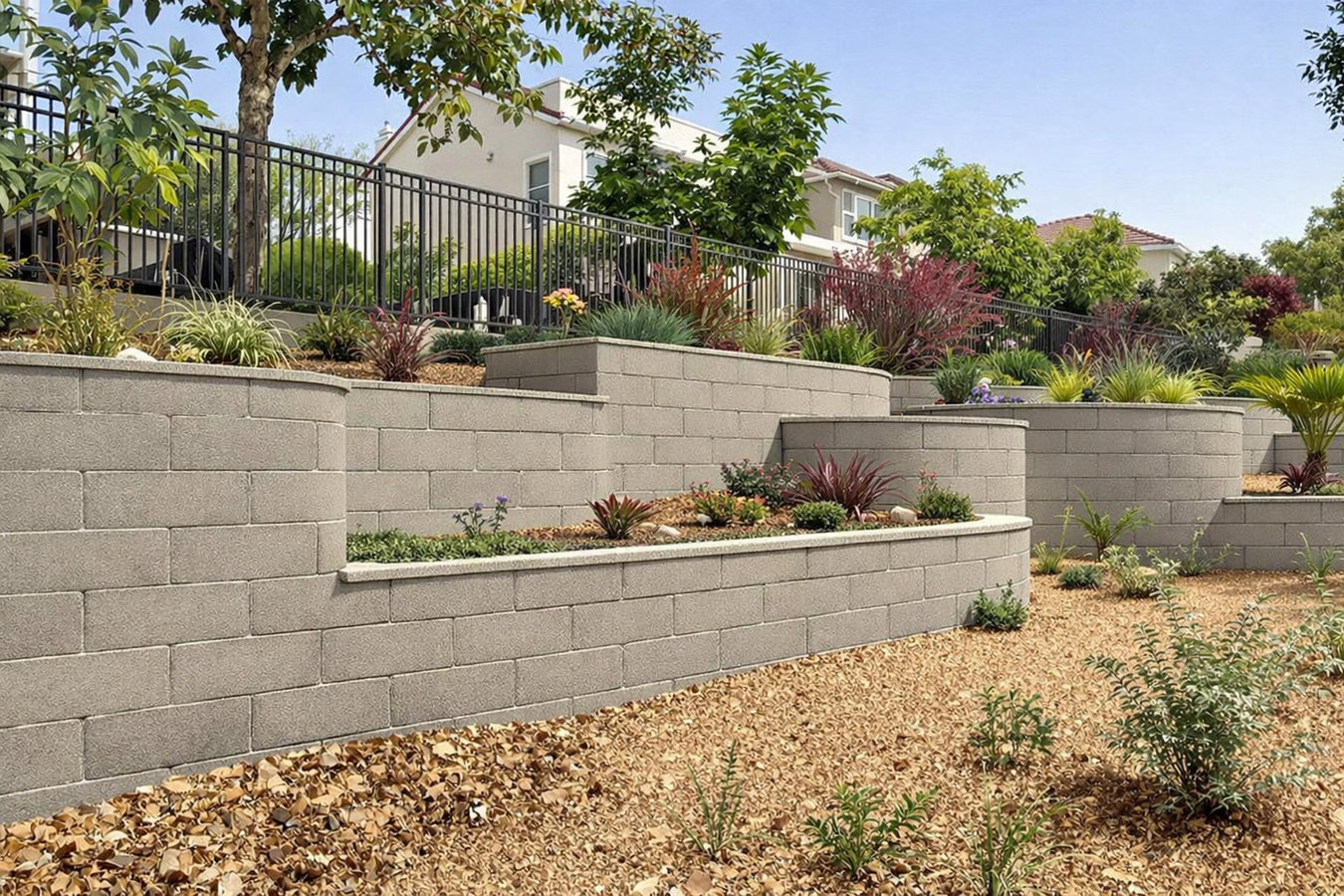
Highland is a city of about 55,000 residents in San Bernardino County, incorporated in 1987 after decades of unincorporated growth. The city stretches along the base of the San Bernardino Mountains at roughly 1,200 feet elevation - high enough to feel the foothills, but still very much part of the Inland Empire valley floor. About 60 percent of Highland housing units are owner-occupied, and most of the housing stock is made up of single-family homes with stucco exteriors and concrete driveways, patios, and block wall fencing. East Highland Ranch stands out as a distinct master-planned community on the eastern edge of the city, with newer homes, maintained parks, and an HOA that keeps the neighborhood well-tended. The area around Highland has seen steady growth thanks to the broader Inland Empire logistics and healthcare economy, and the city continues to attract working families looking for more space than coastal Southern California offers.
Highland borders San Bernardino directly to the west and shares many of the same soil and climate conditions - clay-heavy ground, 100-degree summers, and occasional winter storms that test drainage. The San Bernardino National Forest begins at the northern edge of the city, giving residents quick access to mountain recreation while also meaning that foothill properties deal with extra slope, wind exposure, and fire risk. Whether your home is in East Highland Ranch, along the older streets near Base Line, or up in the foothills where Highland meets the national forest, the concrete work here has to account for what the ground, the heat, and the elevation actually do to it. We also work regularly in neighboring Loma Linda to the south, where many of the same housing age and soil conditions apply.