Slab foundation building
Pour a concrete slab landing or foundation area that your new steps can connect to cleanly.
Learn More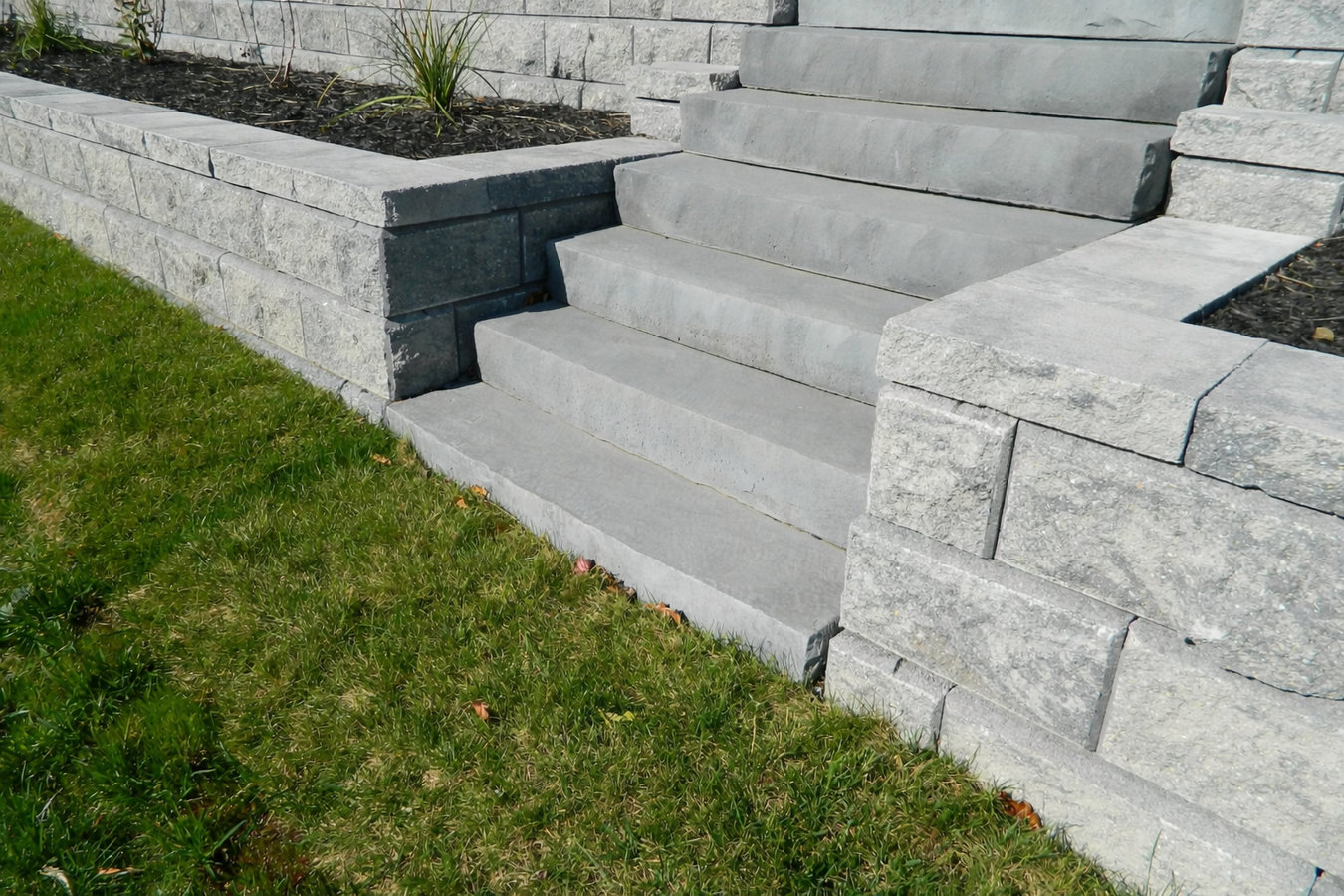
Cracked, tilted, or crumbling steps are a safety hazard and a curb appeal problem. We build concrete steps in Redlands that hold their position through clay soil movement, Inland Empire heat, and decades of foot traffic.
Concrete steps construction in Redlands, CA involves demolishing any existing steps, preparing and compacting the base with a gravel drainage layer, setting steel reinforcement inside the forms, and pouring and finishing the concrete - most front-entry jobs take one to two days of active work plus a 24-to-48-hour curing period before the steps can be used.
Redlands has a significant number of homes built between the 1920s and 1970s, particularly in the historic neighborhoods near downtown and the University of Redlands area. Steps on homes that age are often original - and original concrete from that era was commonly poured without the rebar reinforcement or proper drainage base that modern work includes. When those steps start to crack, tilt, or crumble, the right answer is usually a full rebuild rather than another round of patching.
Steps that connect to a terraced yard or hillside area are often combined with concrete retaining walls in a single project - both require the same base prep and can share a pour schedule.
A hairline crack on the surface is often cosmetic. But if you see cracks wider than a hairline - especially ones that run all the way across a tread or down the side of a step - the structural integrity is compromised. In Redlands, the combination of clay soil movement and summer heat cycles accelerates cracking in older concrete, and what starts small can open significantly within a season or two.
If any step shifts when you put your weight on it, or if the whole staircase looks like it is leaning to one side, the base underneath has likely settled or eroded. This is a safety issue, not just a cosmetic one - a tilted step is a trip hazard, especially for older family members or guests who are not expecting the unevenness.
When the surface of a concrete step starts to flake, chip, or crumble - especially at the front edge where you place your foot - the concrete has begun to deteriorate from the inside out. In Redlands older homes, this often happens in steps that were poured without adequate reinforcement decades ago. Surface patching on deteriorating concrete is usually a short-term fix.
If water collects at the bottom of your steps or along the sides after rain, the drainage around the base is not working correctly. Redlands clay soils hold water rather than absorbing it quickly, so poor drainage around steps can accelerate soil movement and undermine the base over time - turning a drainage problem into a structural one.
We build replacement and new-construction concrete steps for front entries, side entries, and yard transitions throughout Redlands and the surrounding Inland Empire. Every set of steps we pour includes steel rebar reinforcement inside the structure - this is what keeps steps from cracking under foot traffic and soil movement over time. We also compact the base and add a gravel drainage layer before the forms go in, because proper drainage around the base is one of the main factors that determines how long the steps hold their position.
Finish options range from a clean broom finish to stamped decorative patterns. If your project requires a city permit - which is common for steps attached to the entry structure of your home - we handle the City of Redlands permit process from application to final inspection. If the project involves a slab foundation or landing area at the base of the steps, we price and schedule both together.
For Redlands homes with original or aging steps that are cracking, shifting, or crumbling. Demolition, rebar, proper base - rebuilt to last.
For additions, new entries, or yard transitions where no steps exist yet. Sized and finished to match your home and landscape.
For homeowners who want curb appeal alongside durability. Stamped patterns that complement the entry without sacrificing grip or longevity.
Much of Redlands was built between the 1920s and 1970s - the historic neighborhoods near downtown and around the University of Redlands have particularly high concentrations of older properties. Homes of that age often have original concrete steps that were poured without the reinforcement and drainage preparation that current practice requires. The clay-heavy soils throughout the Inland Empire also move with the seasons - swelling when wet and shrinking in the summer dry heat - which is what causes so many older steps in this area to crack, tilt, or pull away from the house over time.
Redlands summers also create real challenges for concrete work. Temperatures above 100 degrees cause freshly poured concrete to set too fast on the surface, which can weaken the finished product if the pour is not managed correctly. The Portland Cement Association has specific guidance on hot-weather concreting that we follow on every summer job. Homeowners in Loma Linda and Mentone face the same soil and heat conditions, and we serve both communities regularly.
We will ask a few basic questions - how many steps, whether existing steps need to come out, and what finish you are considering. Most contractors need to see the site before giving you an accurate number, so we schedule a free on-site estimate soon after the first call.
We visit to measure rise and run, check the soil and drainage conditions, and assess any existing steps. You receive a written estimate that breaks out demolition, labor, materials, and permit fees separately - not a single number with no detail.
If a permit is required, we submit the application to the City of Redlands before work begins. Once approved, demolition and base prep happen first - breaking out old concrete, compacting the soil, and laying the gravel drainage layer that determines how long your new steps hold their position.
Rebar goes in before the pour. After finishing, the steps are off-limits for 24 to 48 hours - plan to use a back or side door during that window. We walk the finished work with you before leaving and address anything that needs attention on the spot.
No obligation. We come to your property, look at what you have, and give you a clear written quote.
(909) 546-5311We include steel reinforcement in every set of steps we pour - not as an optional upgrade. In a region where soil moves with the seasons and summer heat is intense, reinforcement is what keeps steps from cracking through under years of foot traffic.
We manage the City of Redlands permit process from start to finish when permits are required. The inspection record that comes with a permitted project protects you at resale and confirms the structural work was done to the city's standards.
We work regularly in the historic neighborhoods near downtown Redlands and the University area, where older homes with original concrete steps make up a large share of our step replacement work. We know what these properties typically need and how to assess what can be patched versus what needs a full rebuild.
We schedule summer pours for early morning and use curing blankets and misting to slow the drying process when needed. A contractor who pours steps at midday in July without any protective measures is cutting a corner that will show up in the finished product over time.
The American Concrete Institute publishes the standards that govern structural concrete work - including the reinforcement and mix requirements that apply to steps in seismically active, high-heat regions like Southern California. Before you hire anyone for this work, you can verify their California license on the Contractors State License Board website in under a minute.
Pour a concrete slab landing or foundation area that your new steps can connect to cleanly.
Learn MorePair new steps with a retaining wall system to connect terraced yard levels on sloped Redlands lots.
Learn MoreSummer books fast - call now or request a free estimate and lock in your project date before contractor schedules fill.